
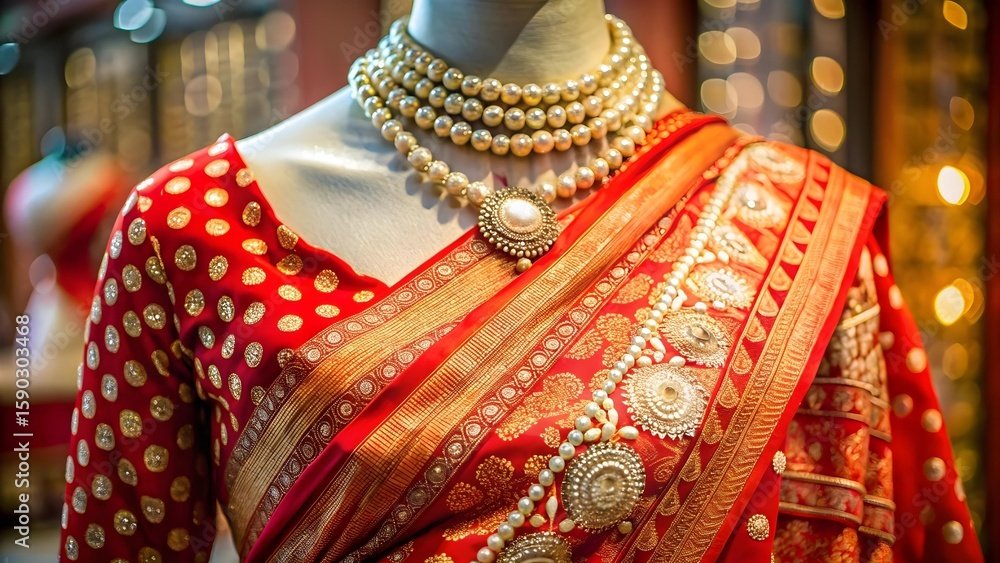
Weaving Perfection: Inside the Art of Fine Banarasi Silk at Silksupreme.in
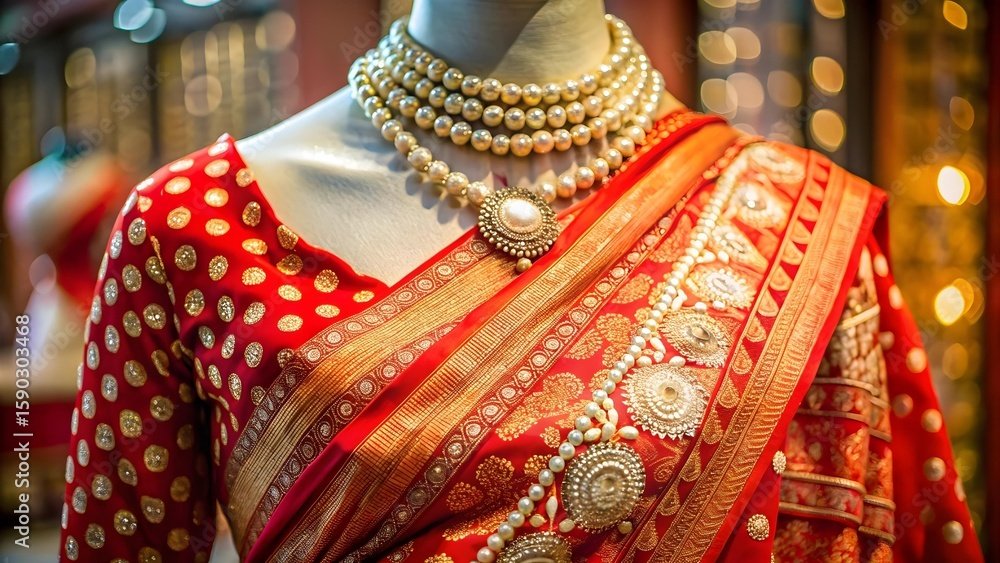
The Art of the Unfinished Masterpiece: How a Silk Supreme Banarasi Saree is Born
A Banarasi saree isn’t just a piece of clothing; it is a legacy woven in silk and gold. For centuries, these sarees have been the crown jewel of Indian ethnic wear, symbolizing grace, heritage, and unparalleled craftsmanship. At Silk Supreme, we take pride in bringing this authentic Varanasi tradition directly to your doorstep.
But have you ever wondered what goes into creating that six-yard wonder sitting in your wardrobe? From the initial sketch to the final steam press, the journey of a Silk Supreme Banarasi saree is a labor of love that spans weeks, sometimes months.
Here is the step-by-step evolution of a Banarasi handloom masterpiece.
1. Sourcing the Soul: Premium Mulberry Silk
The foundation of every high-quality saree is its fiber. We start by selecting the finest mulberry silk, known for its strength and natural luster.
- Reeling & Twisting: Raw silk filaments are extracted and twisted to create durable yarns.
- The “Karahi” Process: This polishing technique smoothens the yarn, ensuring it can withstand the rigor of the loom while maintaining a soft, luxurious feel.
2. The Blueprint of Beauty: Designing & Naksha
Before a single thread is moved, an artist (the Nakshaband) creates a blueprint. Inspired by Mughal aesthetics and nature—think Bel (creepers), Buti (floral motifs), and Kalka (paisleys)—these designs are first hand-drawn on graph paper.
These blueprints are then translated into Jacquard cards—perforated cardboard templates that act as the “software” for the handloom, telling the machine exactly when to lift each thread to form the pattern.
3. A Symphony of Colors: Precision Dyeing
Banarasi sarees are famous for their deep, vibrant hues. The prepared silk yarns are submerged in dye baths with surgical precision. Whether it’s the classic bridal red, royal blue, or contemporary pastels, we ensure the color saturation is uniform and long-lasting, giving our sarees their signature glow.
4. Setting the Stage: Preparing the Loom
Setting up a handloom is an engineering feat.
- The Warp and Weft: Thousands of “Warp” (lengthwise) threads are stretched onto the loom, while “Weft” (crosswise) threads are wound onto small bobbins.
- Installation: The Jacquard cards are installed at the top of the pit loom, ready to guide the weaver’s hands.
5. The Heart of the Craft: Handloom Weaving
This is where the magic happens. A skilled artisan sits at a traditional Jacquard pit loom, using their hands and feet in a rhythmic dance.
- Zari Brocade: Pure gold or silver-plated Zari is interlocked with the silk to create the shimmering brocade.
- Kadhua Technique: Unlike machine-made sarees, many Silk Supreme pieces use the Kadhua technique, where each motif is woven individually. This results in a cleaner finish on the back and a more prominent, embossed look on the front.
6. The Final Flourish: Finishing & Detailing
Once the weaver completes the six yards, the saree is carefully “cut” from the loom.
- Tidying: Any loose threads are meticulously trimmed.
- Inspection: Every inch is checked for imperfections—a hallmark of authentic handloom.
- Steam & Polish: A final steam treatment enhances the drape and brings out the natural sheen of the silk.
In a world of fast fashion, Silk Supreme (silksupreme.in) remains committed to the “slow” art of weaving. When you buy from us, you aren’t just buying a product; you are supporting a community of weavers in Varanasi and preserving an ancient art form.
Whether you are looking for a Jangla saree for a wedding or a minimalist Butidar for a gala, our collection represents the pinnacle of Banarasi craftsmanship.
Explore the Heritage.
Visit silksupreme.in today.